Push notifications: How to improve communication with customers using Linkcard
Push notifications: How to improve communication with customers using Linkcard
What Are Push Notifications and Why Are They Important?
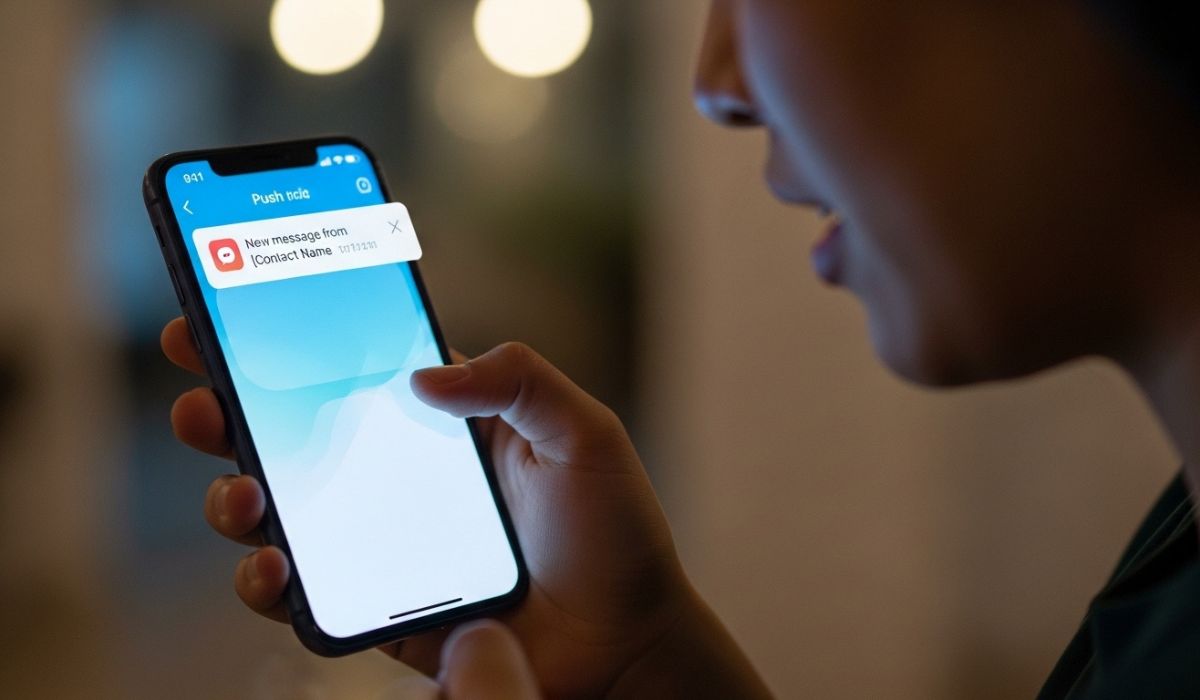
Push notifications are messages that companies can send directly to a user’s mobile device. Unlike other channels such as email, these notifications appear immediately on the phone’s screen.
This format has several advantages:
• It allows for quick and direct messaging
• They have greater visibility than other channels
• They facilitate real-time communication
• They can be integrated with marketing or loyalty campaigns
When used correctly, push notifications help maintain constant contact with customers, reminding them of promotions, benefits, or company news.
However, for them to work effectively, they must be part of a strategy that combines different channels and relevant content.
How Linkcard Enables the Integration of Push Notifications into Digital Communication
Companies need not only to send messages but also to centralize the information they share with their customers.
With Linkcard, you can create various digital assets that can be distributed via push notifications, such as:
• micro landing pages
• “link in bio” pages
• digital cards
• promotions and campaigns
• loyalty programs
This means that a push notification can redirect the user to specific content, making it easy for them to quickly access the information or promotion the company wants to communicate.
For example, a notification can take the customer directly to:
• a special promotion
• a seasonal campaign
• a rewards program
• a limited-time offer
In this way, the notification does not function in isolation, but as part of a digital ecosystem.
Types of campaigns that can be promoted via push notifications
Push notifications can be used at different times of the year and for various business objectives.
Below are some examples of campaigns where this channel is particularly useful.
1. Promotions and special offers
One of the most common uses of push notifications is to communicate promotions immediately.
When a company launches a limited-time offer, sending a notification allows you to quickly inform customers and increase the likelihood of participation.
Example messages:
• “20% off everything in-store today”
• “Special promotion for 24 hours only”
• “Access your exclusive benefit here”
These notifications can direct users to a micro-landing page created in Linkcard where all the promotion details are available.
2. Special Occasions and Seasonal Campaigns
Special occasions present key opportunities for communicating with customers.
Some examples include:
• Christmas
• New Year’s
• Black Friday
• Mother’s Day
• brand anniversaries
During these times, push notifications can be used to:
• announce special promotions
• invite customers to participate in campaigns
• communicate exclusive member benefits
For example:
“We’re celebrating our anniversary with special benefits for our customers.”
By combining these notifications with content hosted on Linkcard, the company can centralize the entire campaign in one place.
3. Communication During Holidays or Specific Seasons
Many companies have times of the year when communicating with customers is especially important.
For example:
• Changes to business hours during holidays
• Launch of seasonal promotions
• Reopening of locations
• Special summer or winter campaigns
A push notification allows you to quickly share these updates.
Example:
“New summer hours available. See all the details here.”
In this case, the link can direct users to a page created with Linkcard where they can find the updated information.
Best Practices for Using Push Notifications
For this channel to be effective, it’s important to follow a few recommendations.
1. Send relevant messages
Notifications should provide value to the user.
2. Avoid message overload
Too many notifications can lead to user frustration.
3. Use clear and direct language
Messages should be brief and easy to understand.
4. Include useful links
It’s always a good idea to direct users to content where they can find more information.
5. Capitalize on key moments
Campaigns tend to perform better when aligned with promotions, launches, or special dates.
How Linkcard Simplifies Communication with Push Notifications
In a digital environment where users interact with multiple channels, having tools that allow you to centralize information is essential.
Platforms like Linkcard help companies organize their digital content and distribute it efficiently.
By integrating microsites, link pages, digital cards, and loyalty programs, Linkcard enables push notifications to serve as a gateway to comprehensive digital experiences.
This makes it easier for customers to quickly access promotions, campaigns, or news, improving communication between companies and their audience.
Conclusion
Push notifications have established themselves as an effective tool for maintaining direct communication with customers. When used strategically, they allow businesses to inform customers about promotions, announce new developments, and support marketing campaigns at key times of the year.
However, the true value of this channel becomes apparent when it is integrated into a broader digital ecosystem, where users can easily access relevant content, promotions, or benefits.
In this regard, platforms like Linkcard help companies centralize their digital assets and distribute them through various communication channels, including push notifications.
By combining dynamic content, microsites, promotions, and loyalty programs, Linkcard transforms each notification into a gateway to more comprehensive digital experiences, fostering a closer and more continuous relationship between companies and their customers.